- Product details
- Documentation
- Support
- Ordering
- Interactive datasheet
Product details
Features and benefits
One, two and three differential channels common-mode EMI filters with integrated ESD protection
ESD protection up to ±20 kV contact discharge according to IEC 61000-4-2
Superior common-mode suppression over a wide frequency range
Superior RF performance compared to other integrated filters or discrete filters with external ESD protection
Extremely high symmetry between line pairs
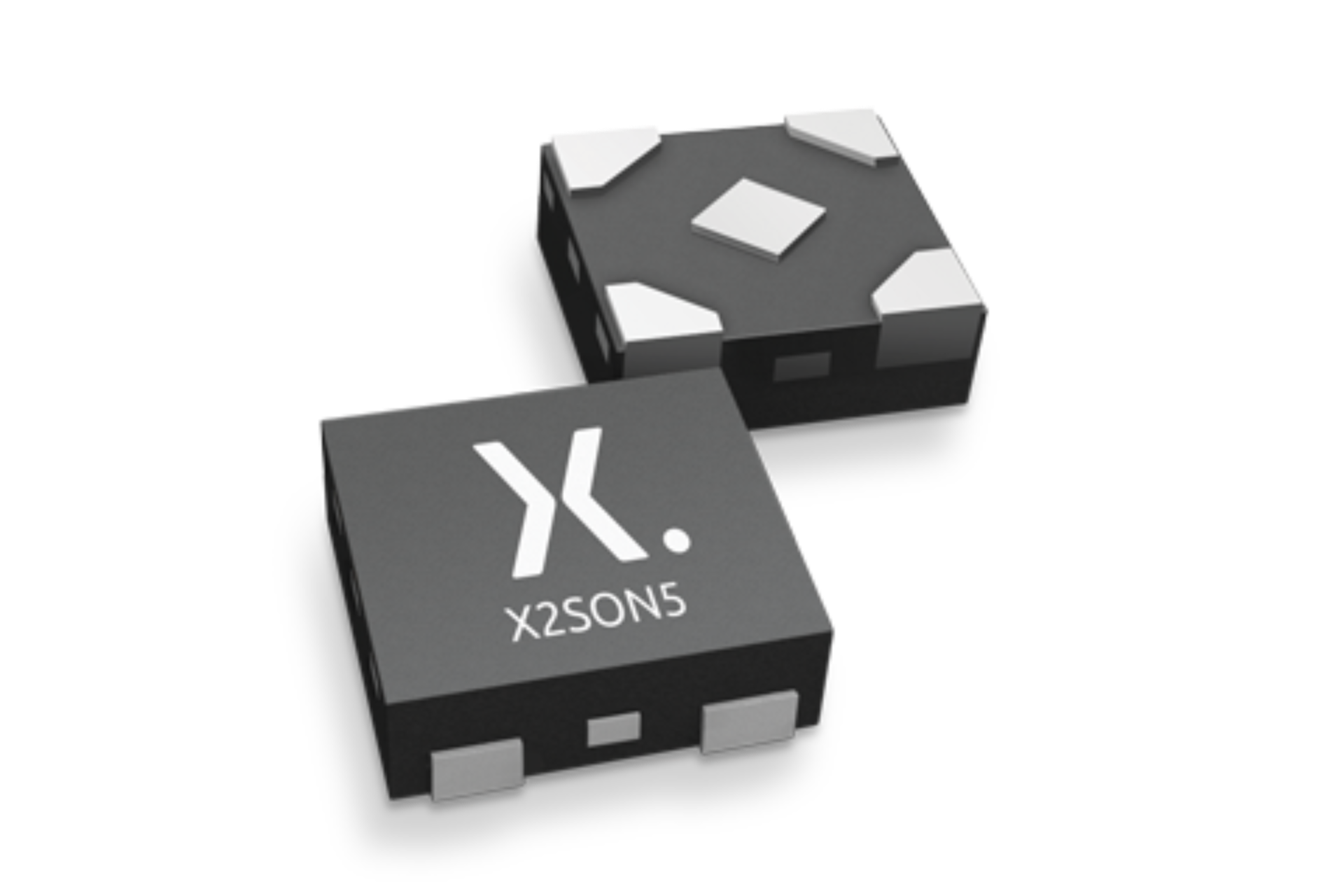
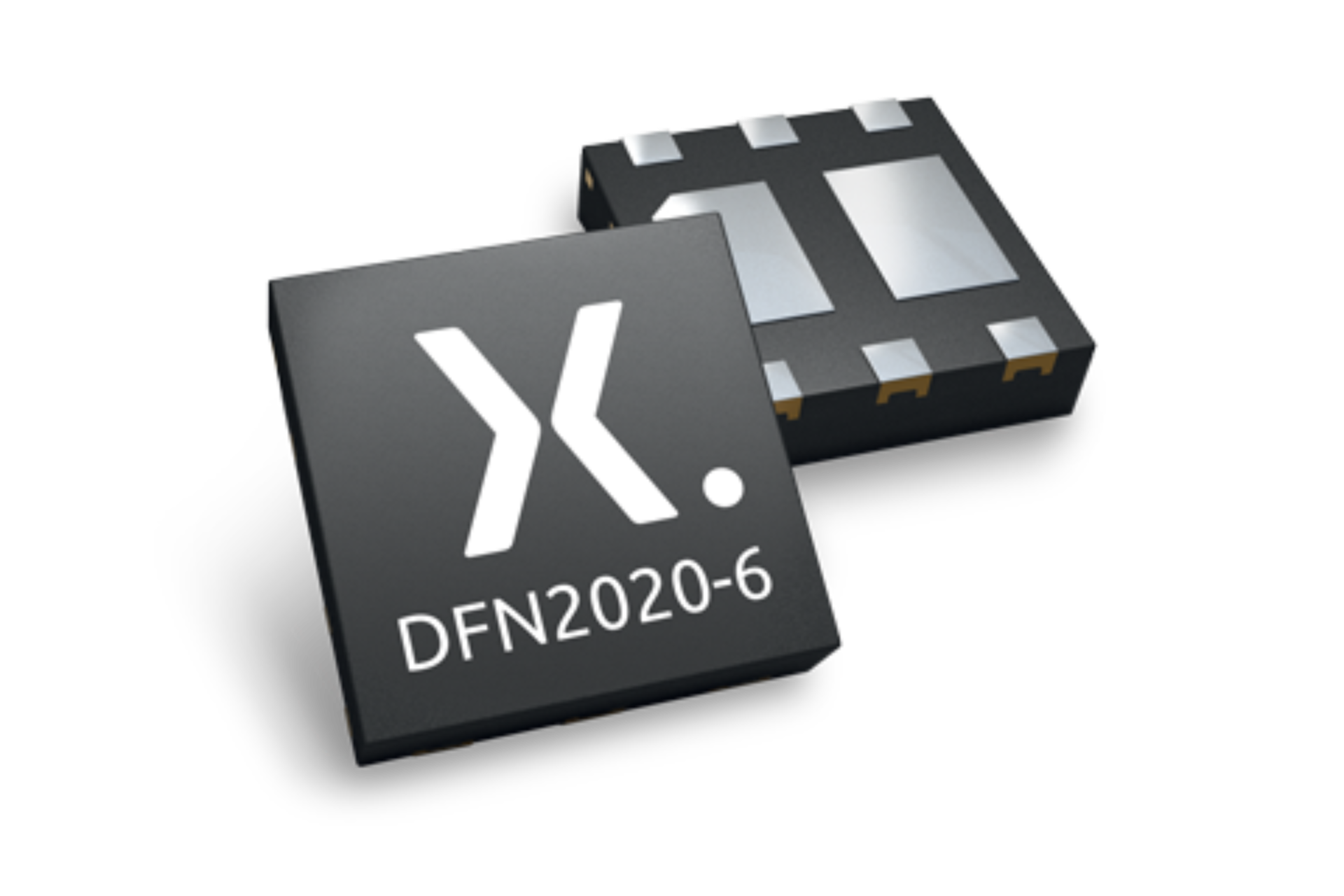
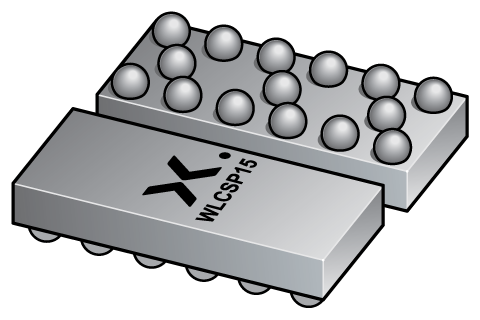
Industry-standard Wafer-Level Chip-Scale Packages: WLCSP5, 10 and 15 for smaller footprint
Applications
Smartphone, cellular and cordless phone
USB 3.2, USB 2.0, HDMI 2.0, HDMI 1.4
General-purpose downstream ESD protection for differential data lines
Tablet PC and Mobile Internet Device (MID)
MIPI M-PHY and D-PHY as used in Camera Serial Interface (CSI) and Display Serial Interface (DSI)
Register once, drag and drop ECAD models into your CAD tool and speed up your design.
More informationQuality and reliability disclaimer
Support
Please contact us if you have any questions. If you are in need of design support, please fill in the technical support form, we will get back to you shortly.
Please visit our engineer exchange forum or contact us for further support.
Longevity
The Nexperia Longevity Program is aimed to provide our customers information from time to time about the expected time that our products can be ordered. The NLP is reviewed and updated regularly by our Executive Management Team. View our longevity program here.
Sample
As a Nexperia customer you can order samples via our sales organization.
If you do not have a direct account with Nexperia our network of global and regional distributors is available and equipped to support you with Nexperia samples. Check out the list of official distributors.
Interactive datasheet
How does it work?
The interactive datasheets are based on the Nexperia MOSFET precision electrothermal models. With our interactive datasheets you can simply specify your own conditions interactively. Start by changing the values of the conditions. You can do this by using the sliders in the condition fields. By dragging the sliders you will see how the MOSFET will perform at the new conditions set.
Interactive datasheet