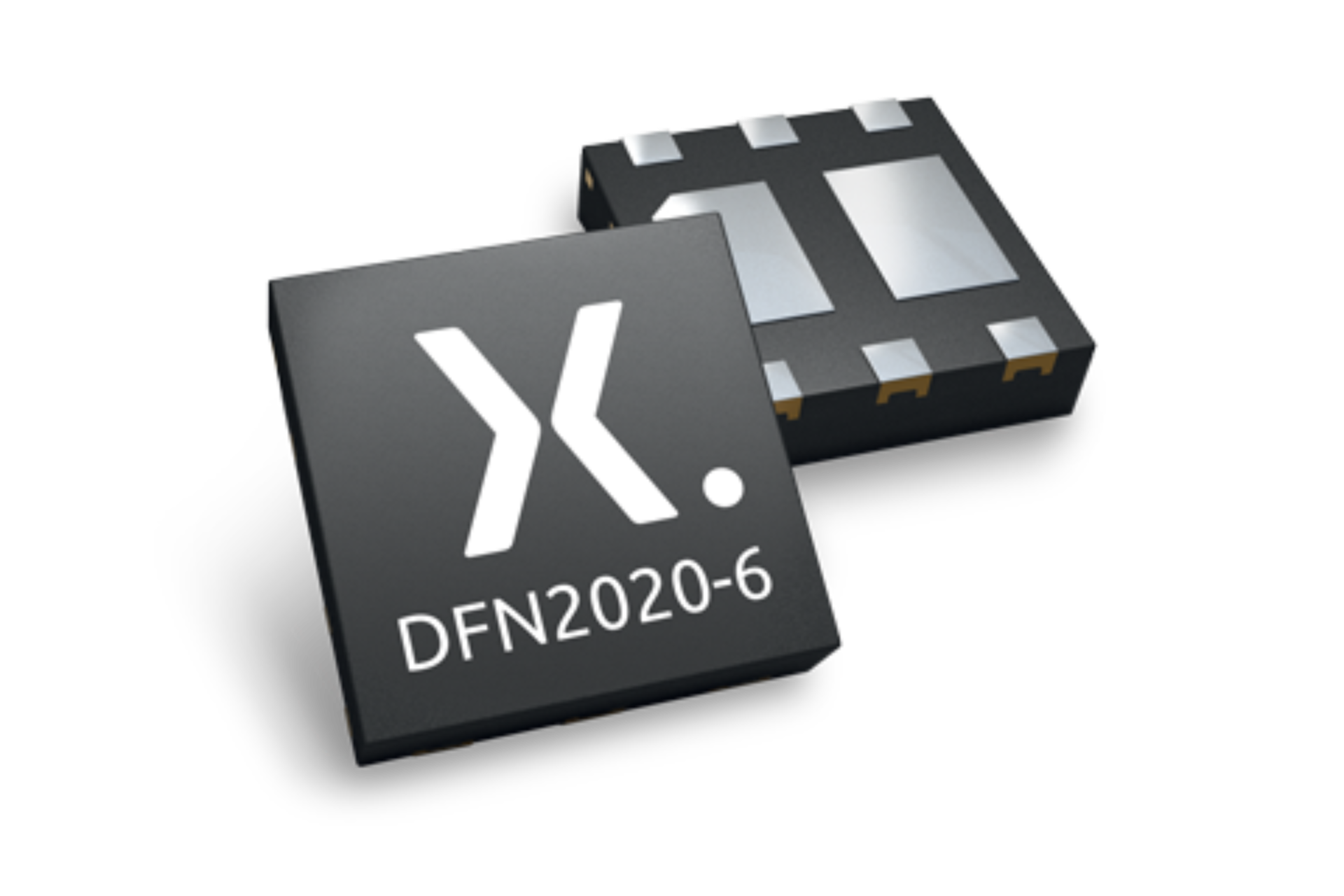

- Product details
- Documentation
- Support
- Interactive data sheet
Product details
Features and benefits
- HDMI 1.3 compliant
- Pb-free and RoHS compliant; Dark Green
- Robust ESD protection without degradation after several ESD strikes
- Low leakage even after several hundred ESD discharges
- Very high diode switching speed (ns) and low line capacitance of 0.7 pF to ground and 0.05 pF between channel can ensure signal integrity
- DDC capacitive decoupling between system side and HDMI connector side and buffering to drive cable with high capacitive load (> 700 pF)
- Hot plug detect module
- CEC ringing prevention by slew rate limiter
- All TMDS lines with integrated rail-to-rail clamping diodes with downstream ESD protection of ±8 kV in accordance with IEC 61000-4-2, level 4 standard
- Matched 0.5 mm trace spacing
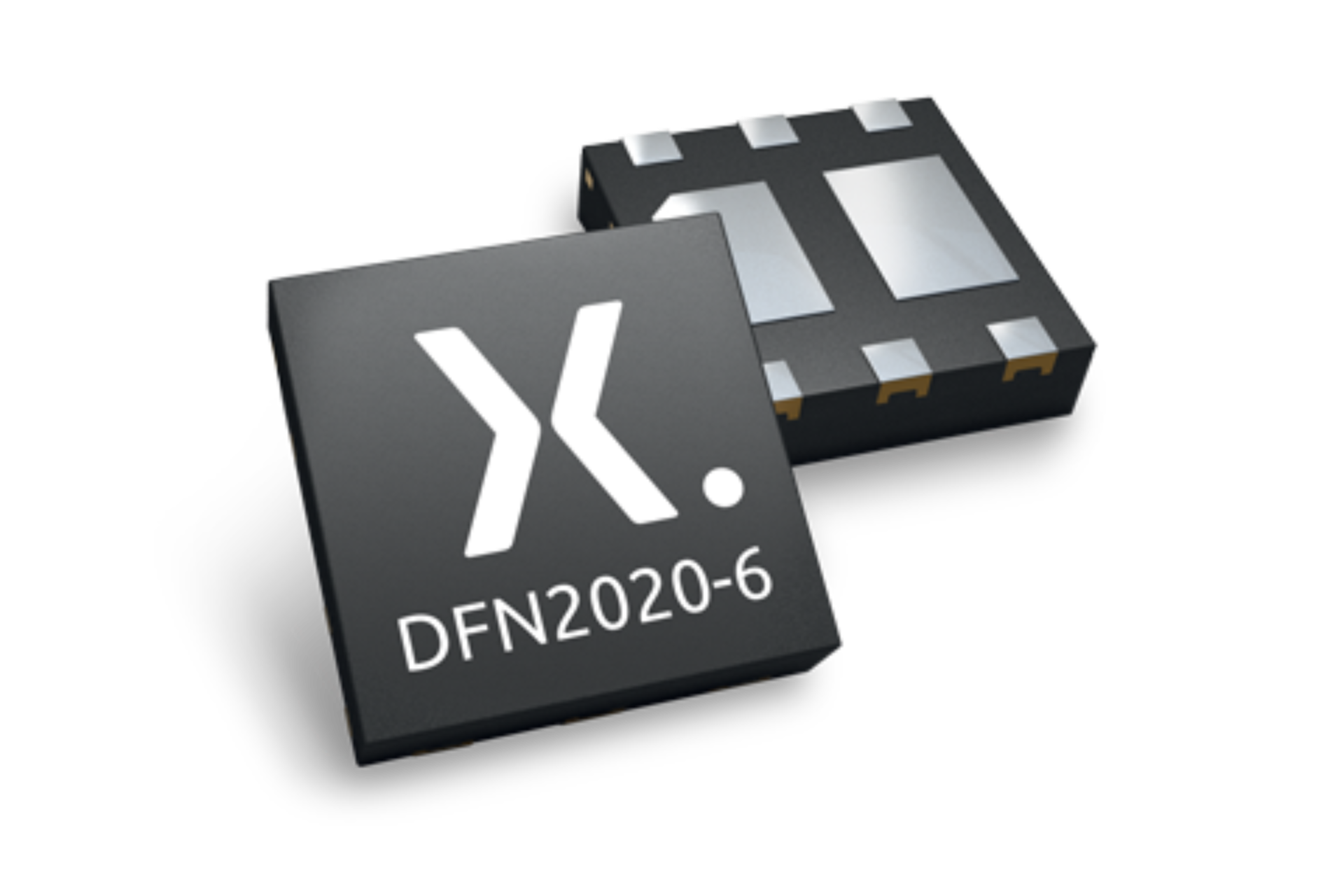
- Highest integration in a small footprint, PCB-level, optimized RF routing, 38-pin TSSOP lead-free package
Applications
- The IP4777CZ38 can be used for a wide range of HDMI source devices, consumer and computing electronics e.g.:
- SD and HD DVD player
- Set-top box
- PC graphic card
- Game console
- HDMI picture performance quality enhancer module
Register once, drag and drop ECAD models into your CAD tool and speed up your design.
More informationQuality and reliability disclaimer
Support
Please contact us if you have any questions. If you are in need of design support, please fill in the technical support form, we will get back to you shortly.
Please visit our engineer exchange forum or contact us for further support.
Longevity
The Nexperia Longevity Program is aimed to provide our customers information from time to time about the expected time that our products can be ordered. The NLP is reviewed and updated regularly by our Executive Management Team. View our longevity program here.
Interactive data sheet
How does it work?
The interactive data sheets are based on the Nexperia MOSFET precision electrothermal models. With our interactive data sheets you can simply specify your own conditions interactively. Start by changing the values of the conditions. You can do this by using the sliders in the condition fields. By dragging the sliders you will see how the MOSFET will perform at the new conditions set.
Interactive data sheet