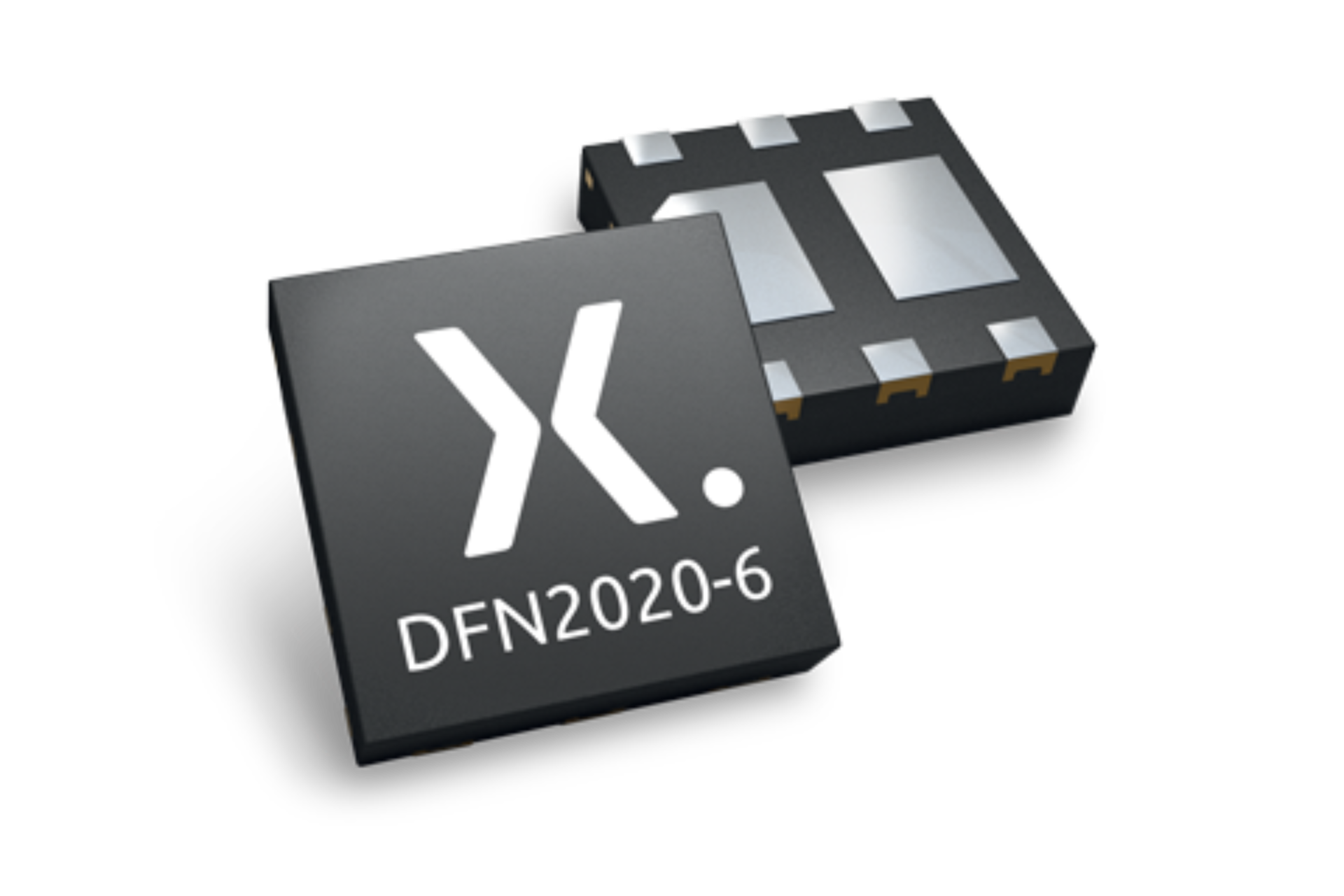

- Product details
- Documentation
- Support
- Interactive data sheet
Product details
Features and benefits
- Very low quiescent current
- CMOS logic capability
- Power TrenchMOS™
- Negative load clamping
- Overtemperature protection
- Overload protection
- Over and undervoltage protection
- ESD protection for all pins
- Reverse battery protection
- Diagnostic status indication
- Low charge pump noise
- Operating voltage down to 5.5 V
- Loss of ground protection
- Current limitation.
Applications
- 12 and 24V grounded loads
- High inrush current loads
- Inductive loads
- Replacement for relays and fuses.
Register once, drag and drop ECAD models into your CAD tool and speed up your design.
More informationQuality and reliability disclaimer
Support
Please contact us if you have any questions. If you are in need of design support, please fill in the technical support form, we will get back to you shortly.
Please visit our engineer exchange forum or contact us for further support.
Longevity
The Nexperia Longevity Program is aimed to provide our customers information from time to time about the expected time that our products can be ordered. The NLP is reviewed and updated regularly by our Executive Management Team. View our longevity program here.
Interactive data sheet
How does it work?
The interactive data sheets are based on the Nexperia MOSFET precision electrothermal models. With our interactive data sheets you can simply specify your own conditions interactively. Start by changing the values of the conditions. You can do this by using the sliders in the condition fields. By dragging the sliders you will see how the MOSFET will perform at the new conditions set.
Interactive data sheet