- Block diagram
- Design considerations
- Design resources
- Product listing
- Support
Block diagram
Highlighted components are Nexperia focus products.
AC/DC
Recommended products (5)
Related applications (2)
Battery management system (BMS)
Recommended products (6)
Input power protection
Recommended products (6)
Related applications (1)
Power management
Recommended products (9)
- DC-DC converters
- LDO regulators: 40 V, 150 - 300 mA
- Power distribution: Load switch, 5.5 V, 14 - 55 mΩ
- Zener diodes: 500 mW, SOD123F
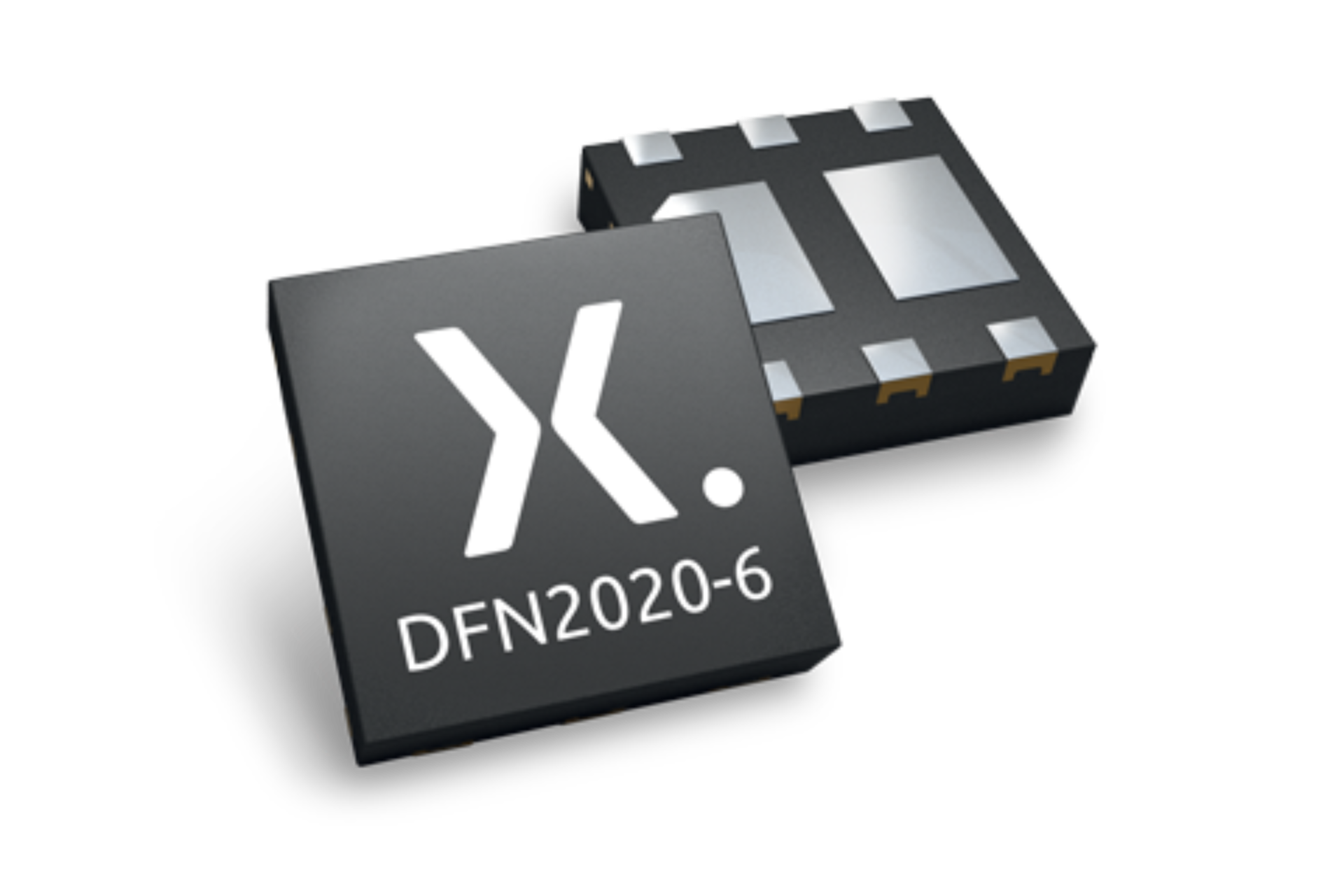
- Low VCEsat transistors: ±40 V, ±0.5 A, DFN
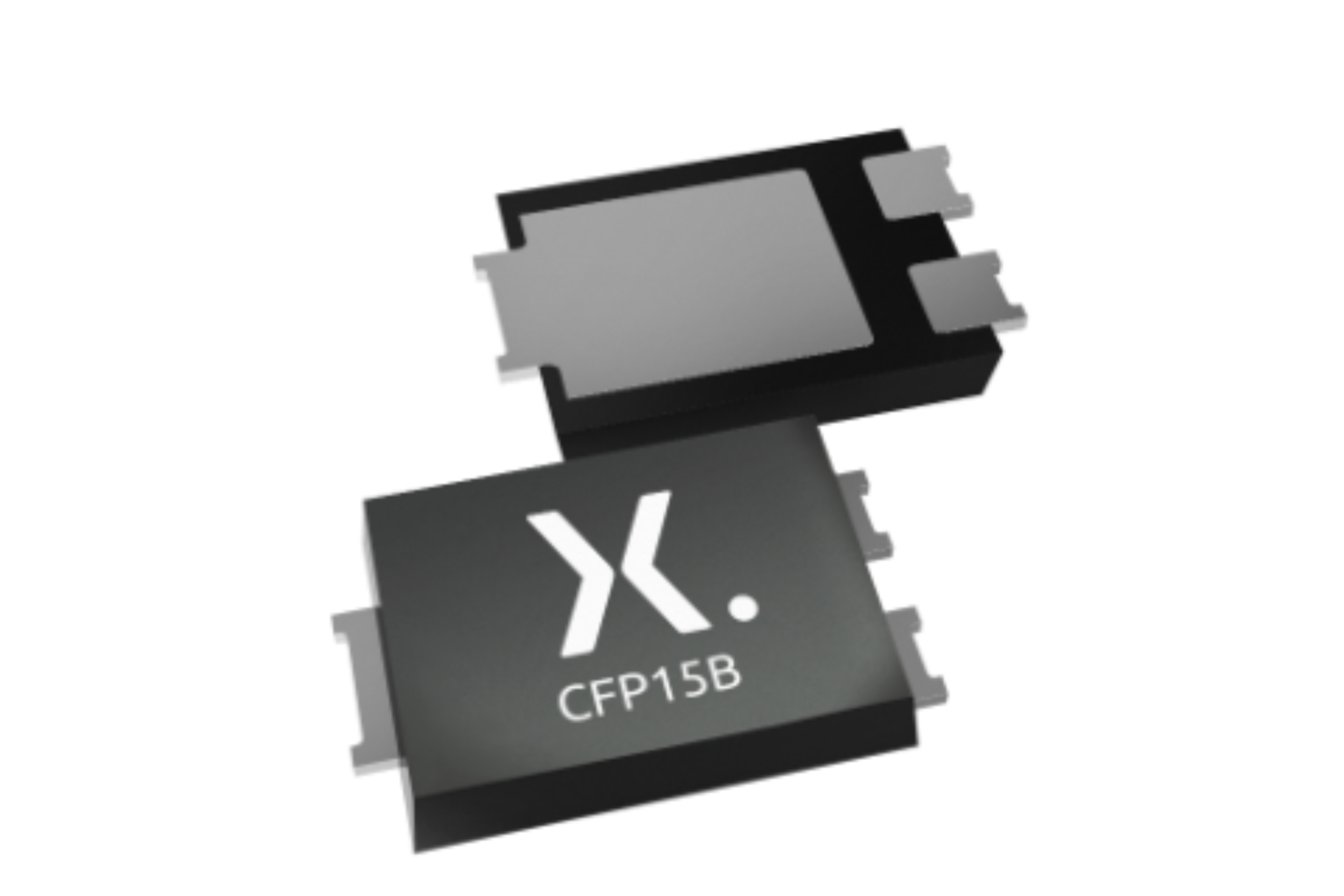
- Schottky diodes and rectifiers: 40-100 V, CFP
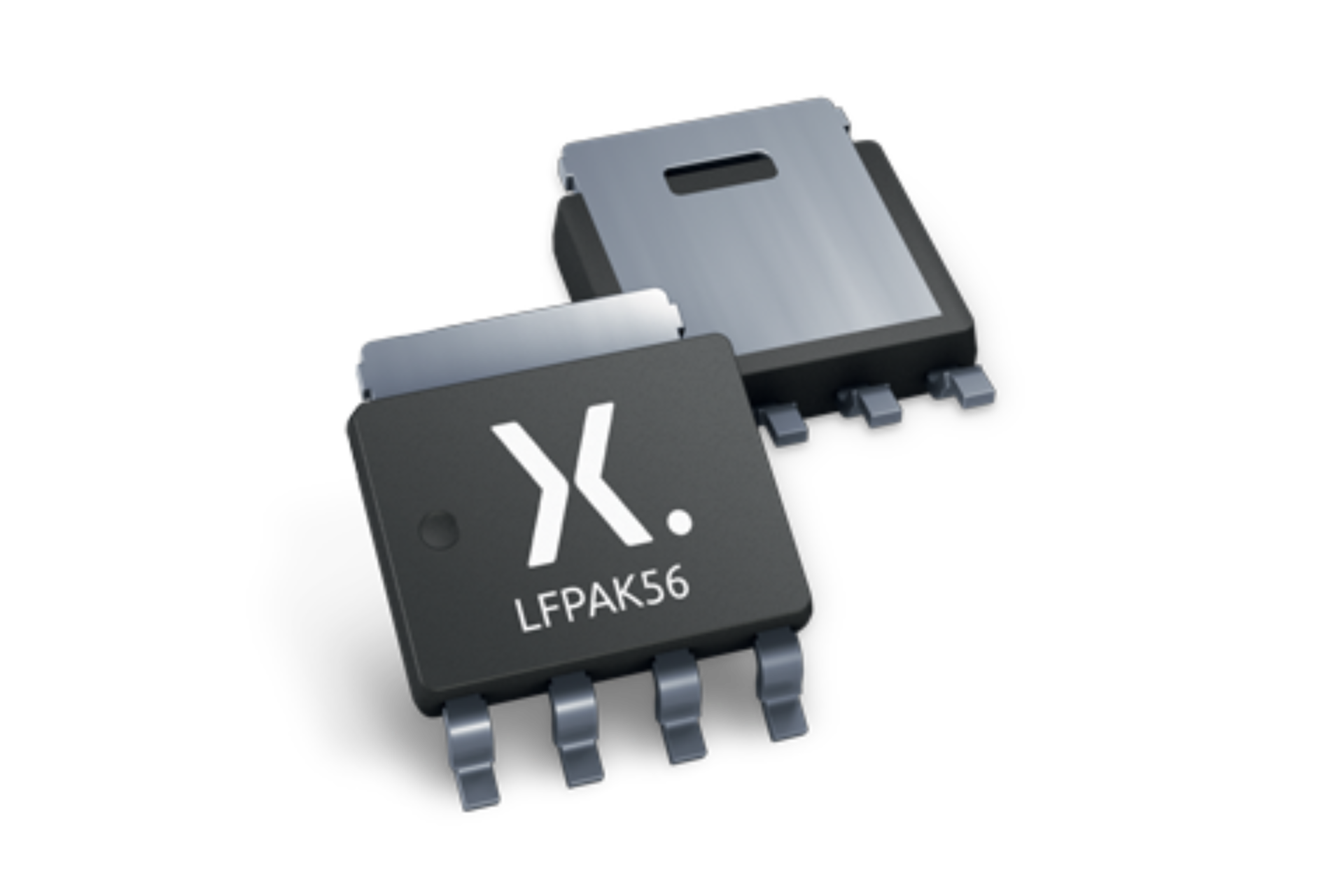
- MOSFETs: 40-100 V, RDSon 5-15 mΩ, LFPAK / MLPAK
- Ideal diode: 1.2-5.5 V, 1.5 A Input Polarity Protected, Low IQ
- Transformer drivers: low-noise, 1.2 A
Gate drive circuit
Motor drive
Recommended products (4)
Signal processing
Communication Interface
Sensor interface
HMI
Recommended products (3)
Select a component
To view more information about the Nexperia components used in this application, please select a component above or click on a component (highlighted in blue) in the block diagram.
Design considerations
- Space and weight constraints drive demand for highly integrated, miniaturized packaging that reduces PCB area and overall system size.
- 48-60 V battery systems require robust battery management, protection and power distribution for safe, reliable operation.
- Distributed power architectures must efficiently generate multiple voltage rails for actuators, AI processors, sensors and communications modules.
- Dozens of joint actuators and motor drives demand compact, high-efficiency power switches and gate drivers with precise motion control.
- High-power joints such as hips, knees, shoulders and waist require low-loss MOSFET and GaN solutions to maximize power density and runtime.
- Large numbers of sensors and AI processors require strong signal integrity, low EMI and reliable data transfer throughout the robot.
- High-speed interfaces including Ethernet, USB, CAN and wireless links require ESD protection, voltage translation and robust communication.
- System-level protection against faults, surges, ESD and hot-plug events is essential to meet reliability and functional safety requirements.
Design resources
Evaluation boards
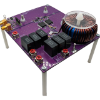
NX-HB-GAN039-650NBB-BSCUL - 400 V, 3.5 kW GaN FET (bottom-side cooled) half-bridge evaluation board
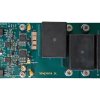
NEVB-HB-NSFD7-A - 1200 V SiC MOSFET (TO-263-7 ) double-pulse half-bridge evaluation board
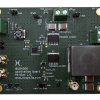
NEVB-NGD4300GC - 120 V, 4 A half-bridge gate driver evaluation board
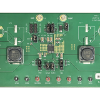
NEVB-NEX92830DPCD-Q100 - 4-40 V, 300 mA, auto-retry, dual-channel antenna LDO with current sensing evaluation board
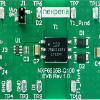
NEVB-NXF6505b-Q100 - 5.5 V, 1.2 A, 440 kHz push-pull transformer driver evaluation board
Reference designs
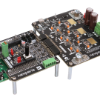.png)
NEVB-MTR1-KIT1 – 1kW, 12-48 V BLDC motor driver kit
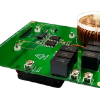
Broadcom GAN039-650NBB half bridge evaluation board
Product listing
AC/DC
Battery management system (BMS)
Input power protection
Power management
- DC-DC converters
- LDO regulators: 40 V, 150 - 300 mA
- Power distribution: Load switch, 5.5 V, 14 - 55 mΩ
- Zener diodes: 500 mW, SOD123F
- Low VCEsat transistors: ±40 V, ±0.5 A, DFN
- Schottky diodes and rectifiers: 40-100 V, CFP
- MOSFETs: 40-100 V, RDSon 5-15 mΩ, LFPAK / MLPAK
- Ideal diode: 1.2-5.5 V, 1.5 A Input Polarity Protected, Low IQ
- Transformer drivers: low-noise, 1.2 A